

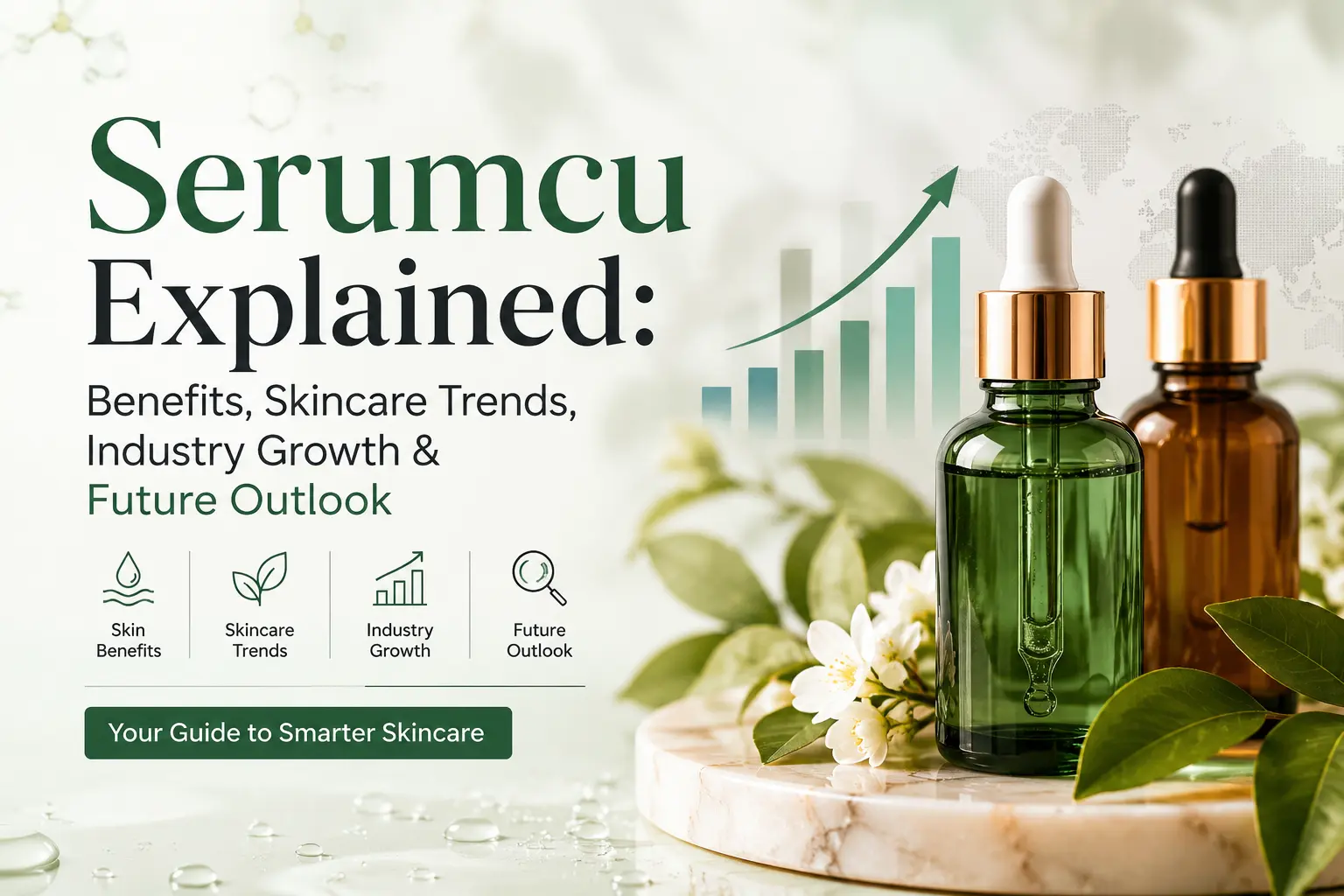
The skincare industry has undergone a remarkable transformation over the past decade. Consumers are no longer satisfied with generic beauty products promising vague results. Instead, they seek targeted, science-backed solutions that address specific skin concerns while fitting seamlessly into personalized skincare routines.
Among the emerging terms gaining attention within beauty communities is serumcu. Although the term remains relatively new in global markets, it has become increasingly associated with skincare enthusiasts, serum specialists, beauty professionals, and communities focused on advanced skincare solutions. The concept reflects a broader movement toward ingredient awareness, personalized skincare, and evidence-based beauty practices.
As skincare consumers become more educated about ingredients and treatment methods, the popularity of serum-focused routines continues to rise. This article explores the meaning of serumcu, the science behind skincare serums, market trends, industry growth, and the future of personalized beauty.
The Evolution of Modern Skincare
Beauty routines have evolved significantly from the traditional cleanse-and-moisturize approach.
Today’s consumers seek products that provide:
- Targeted treatment
- Visible results
- Scientific validation
- Personalized solutions
- Long-term skin health
The growth of social media, dermatologist-led content, and skincare education has dramatically changed consumer expectations.
Rather than purchasing products solely based on marketing claims, many consumers now evaluate:
- Active ingredients
- Clinical studies
- Product formulations
- Ingredient concentrations
- Expert recommendations
This shift has contributed to the rapid growth of specialized skincare categories, particularly serums.
What Is Serumcu?
The term serumcu is generally understood as a person, specialist, enthusiast, or community member deeply interested in skincare serums and their applications. The word appears to derive from “serum” combined with the Turkish suffix “-cu,” which traditionally refers to someone associated with a specific trade, product, or specialty. In practical terms, the term can be interpreted as “serum specialist” or “serum enthusiast.”
The concept has expanded beyond its linguistic origins to represent a broader skincare philosophy focused on:
- Ingredient knowledge
- Targeted treatments
- Preventive skincare
- Scientific beauty solutions
- Personalized routines
As skincare consumers become increasingly sophisticated, this specialized approach continues gaining popularity worldwide.
Why Serums Have Become Essential in Modern Skincare
To understand the rise of serum-focused skincare, it is important to understand what makes serums different from traditional products.
According to skincare definitions, serums are lightweight formulations containing concentrated active ingredients designed to target specific skin concerns. Unlike heavier creams, serums are formulated to penetrate more deeply into the skin and deliver active compounds efficiently.
Common skincare concerns addressed by serums include:
- Fine lines and wrinkles
- Hyperpigmentation
- Dehydration
- Acne
- Uneven skin tone
- Loss of elasticity
Because of their concentrated formulations, serums often serve as the treatment step within a skincare routine.
The Science Behind Effective Serums
The effectiveness of modern serums lies in their formulation.
Most high-quality serums contain ingredients supported by scientific research.
Vitamin C
Vitamin C remains one of the most studied skincare ingredients.
Benefits include:
- Brightening skin tone
- Supporting collagen production
- Reducing visible sun damage
- Antioxidant protection
Many dermatologists recommend vitamin C serums as part of a daily skincare routine.
Hyaluronic Acid
Hyaluronic acid is known for its remarkable ability to retain moisture.
Benefits include:
- Increased hydration
- Improved skin plumpness
- Enhanced elasticity
- Reduced appearance of fine lines
Its popularity continues to grow globally due to its compatibility with most skin types.
Niacinamide
Niacinamide has become one of the most versatile skincare ingredients.
Potential benefits include:
- Reduced redness
- Improved barrier function
- Oil regulation
- Enhanced skin texture
Retinol
Retinol remains one of the most effective anti-aging ingredients available.
Research consistently supports its role in:
- Collagen stimulation
- Cell turnover
- Fine line reduction
- Skin texture improvement
These ingredients represent the foundation of many modern serum formulations.
Global Skincare Market Growth
The growing popularity of serum-focused skincare reflects broader industry expansion.
According to market research reports, the global skincare market is valued at hundreds of billions of dollars and continues to experience strong annual growth.
Several factors contribute to this expansion:
Increased Consumer Awareness
Consumers have greater access to skincare education than ever before.
Information is available through:
- Dermatologists
- Beauty experts
- Scientific publications
- Social media platforms
This increased knowledge drives demand for specialized products.
Aging Populations
Many countries face aging demographics.
As a result, demand continues growing for products addressing:
- Wrinkles
- Skin elasticity
- Age spots
- Preventive care
Rising Disposable Income
Growing middle-class populations in many regions support increased spending on personal care products.
Consumers increasingly view skincare as an investment in health and well-being.
The Role of Personalization in Beauty
One of the most important trends shaping modern skincare is personalization.
Consumers no longer believe a single product works for everyone.
Instead, personalized skincare focuses on:
Skin Type
- Oily
- Dry
- Combination
- Sensitive
Lifestyle Factors
- Climate exposure
- Stress levels
- Sleep habits
- Nutrition
Individual Concerns
- Acne
- Aging
- Pigmentation
- Dehydration
This personalized approach aligns closely with the philosophy commonly associated with serum specialists and skincare enthusiasts.
How Technology Is Transforming Skincare
Technology continues reshaping the beauty industry.
Several innovations are driving change:
Artificial Intelligence
AI-powered skincare analysis tools can evaluate:
- Skin texture
- Hydration levels
- Pigmentation patterns
- Aging indicators
These tools help consumers select more appropriate products.
Digital Consultations
Virtual skincare consultations have become increasingly common.
Benefits include:
- Greater accessibility
- Personalized recommendations
- Convenience
- Ongoing support
Ingredient Transparency
Modern consumers expect full visibility into product formulations.
Brands increasingly provide:
- Ingredient breakdowns
- Clinical evidence
- Usage guidance
- Safety information
Transparency helps build trust and credibility.
Benefits of a Serum-Focused Routine
Many skincare professionals recommend incorporating serums into daily routines due to their versatility and effectiveness.
Potential benefits include:
Targeted Results
Serums are designed to address specific concerns directly.
Lightweight Formulation
Most serums absorb quickly without leaving a heavy residue.
Enhanced Ingredient Delivery
Concentrated active ingredients may provide more noticeable results.
Layering Flexibility
Serums can often be combined with:
- Moisturizers
- Sunscreens
- Treatments
- Night creams
This flexibility makes them suitable for customized routines.
Common Mistakes Consumers Make
Despite their benefits, serums must be used correctly.
Overusing Active Ingredients
Combining too many strong ingredients can irritate the skin.
Ignoring Sunscreen
Many active ingredients increase sun sensitivity.
Daily sunscreen remains essential.
Inconsistent Usage
Most skincare ingredients require consistent use over weeks or months to deliver optimal results.
Following Trends Without Research
Consumers should choose products based on their skin needs rather than viral popularity.
Sustainability and Ethical Beauty
Sustainability has become a major consideration in skincare purchasing decisions.
Consumers increasingly seek:
- Recyclable packaging
- Cruelty-free products
- Sustainable sourcing
- Transparent supply chains
Many beauty brands now prioritize environmentally responsible practices.
This trend is expected to continue shaping product development throughout the coming decade.
Future Trends Shaping the Industry
Several developments are likely to influence skincare innovation moving forward.
Biotechnology-Based Ingredients
Lab-developed ingredients offer improved sustainability and performance.
Microbiome Research
Scientists continue exploring the role of beneficial skin bacteria in overall skin health.
Precision Skincare
Future formulations may become increasingly customized based on individual biological factors.
Wellness Integration
Consumers increasingly connect skincare with:
- Nutrition
- Mental health
- Sleep quality
- Overall wellness
The beauty industry is gradually shifting toward holistic approaches.
Why Serumcu Represents a Larger Industry Shift
The growing visibility of serumcu reflects broader changes within the beauty industry.
Today’s consumers prioritize:
- Knowledge
- Personalization
- Science-backed solutions
- Ingredient transparency
- Long-term skin health
Rather than seeking quick fixes, many consumers now view skincare as an ongoing investment in wellness and self-care. This mindset has fueled demand for serum-based treatments and specialist knowledge surrounding effective skincare practices.
As education levels increase and technology continues advancing, specialized skincare communities and serum-focused approaches are likely to become even more influential.
Read More: Skin Care in Hindi WellHealthOrganic: Natural Skincare Guide for Healthy Glowing Skin
Conclusion
The rise of serumcu highlights a significant transformation occurring throughout the global beauty industry. Consumers are becoming more informed, more selective, and more focused on scientifically supported skincare solutions than ever before.
From vitamin C and hyaluronic acid to personalized routines and AI-powered consultations, modern skincare is increasingly driven by evidence, customization, and transparency. Serums have emerged as one of the most important product categories because of their ability to deliver targeted results through concentrated active ingredients.
As market growth continues and innovation accelerates, the philosophy associated with serum-focused skincare will likely remain at the forefront of beauty trends. For consumers seeking healthier, more resilient skin, understanding the science and strategy behind serums may be one of the most valuable investments they can make in their long-term skincare journey.
