

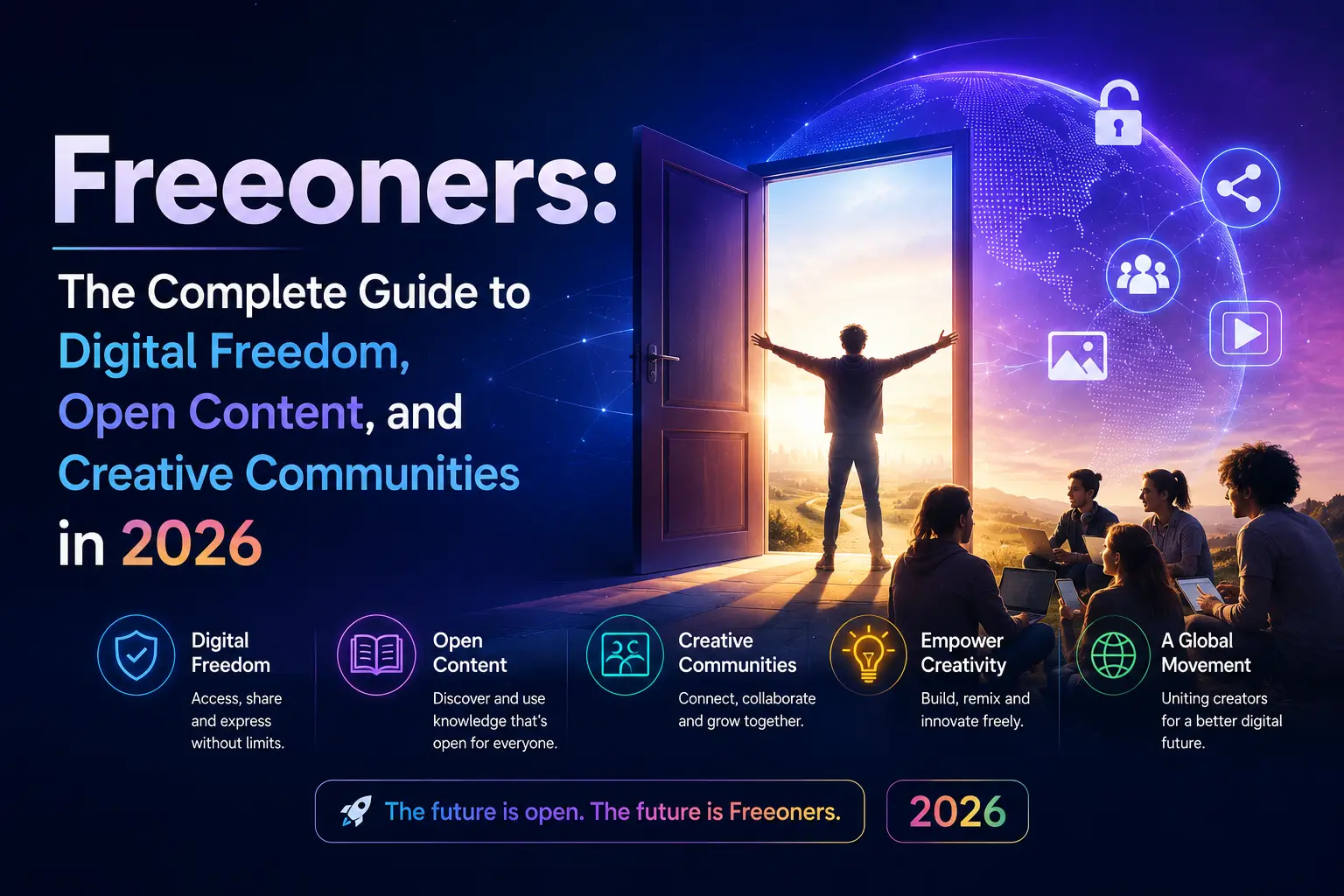
The internet continues to evolve at an unprecedented pace, creating new concepts, communities, and digital movements that reshape how people interact online. One emerging term attracting growing attention is Freeoners.
Although the concept remains relatively new, it has rapidly gained visibility across blogs, forums, creator communities, and digital marketing discussions. Unlike traditional brands or platforms, the term represents a broader idea centered around accessibility, open collaboration, creative freedom, and community-driven participation.
As more individuals seek alternatives to restrictive systems, subscription-heavy services, and centralized platforms, interest in this concept continues to grow. This article explores its meaning, origins, practical applications, and the reasons behind its increasing popularity in today’s digital landscape.
Understanding the Concept
At its core, the idea revolves around freedom, openness, and participation in digital environments.
Rather than referring to a single company or website, it is commonly described as a digital philosophy that encourages:
- Open access to resources
- Creative collaboration
- Independent content creation
- Community-driven innovation
- Flexible online participation
Many online communities use the term to describe spaces where users can contribute, learn, share, and create without excessive barriers.
This approach aligns with broader internet trends favoring transparency, decentralization, and user empowerment.
The Evolution of Open Digital Culture
To understand why this movement has gained traction, it is important to examine the evolution of digital culture.
The early internet was largely built around open information sharing. Forums, blogs, and community websites allowed people to exchange ideas freely.
Over time, many online platforms adopted subscription models, premium content systems, and algorithm-driven ecosystems. While these changes improved monetization opportunities, they also introduced new limitations.
As a result, many users began searching for alternatives that offered:
- Greater flexibility
- Fewer restrictions
- Enhanced ownership
- Direct community engagement
- Independent creative expression
This shift created fertile ground for concepts that emphasize openness and accessibility.
Why Digital Freedom Matters Today
The modern internet offers incredible convenience, but convenience often comes with trade-offs.
Users frequently exchange:
- Personal data
- Creative ownership
- Platform control
- Audience access
- Content visibility
In return, they receive access to tools, services, and audiences.
However, many creators and professionals now recognize the importance of maintaining greater control over their work and online presence.
Digital freedom enables individuals to:
Maintain Creative Ownership
Creators can decide how their content is distributed and used.
Reduce Platform Dependency
Relying entirely on one platform can create risks if policies change.
Build Direct Communities
Independent audiences often provide greater long-term stability.
Encourage Innovation
Open environments typically foster experimentation and collaboration.
These principles have become increasingly valuable as digital ecosystems continue to mature.
The Rise of Independent Creators
One of the strongest forces behind this trend is the growth of the creator economy.
According to industry research, more than 200 million people worldwide now identify as content creators in some capacity. This includes:
- Writers
- Designers
- Video creators
- Educators
- Developers
- Freelancers
- Social media influencers
The global creator economy is estimated to exceed $250 billion and continues expanding rapidly.
This growth has increased demand for systems that support independence rather than platform dependency.
Many creators seek:
- Flexible revenue streams
- Audience ownership
- Community engagement
- Open collaboration
- Creative control
These priorities align closely with the principles associated with modern digital freedom movements.
Open Content and Knowledge Sharing
Another major factor contributing to popularity is the increasing importance of open content.
Examples of successful open-content initiatives include:
- Open-source software projects
- Public educational resources
- Collaborative knowledge bases
- Community-driven documentation
- Shared creative assets
These systems demonstrate that valuable resources can be developed and maintained through collective participation.
Open content offers several benefits:
Greater Accessibility
People from different backgrounds can access educational and creative resources.
Faster Innovation
Collaboration often accelerates problem-solving and development.
Reduced Costs
Free or low-cost resources lower barriers to participation.
Community Growth
Shared contributions strengthen user engagement.
The success of open-source projects worldwide highlights the power of collaborative ecosystems.
The Role of Technology in Expanding Access
Technology has dramatically increased opportunities for participation.
Today, individuals can:
- Publish content globally
- Build online businesses
- Learn new skills
- Connect with communities
- Launch creative projects
All from a smartphone or laptop.
Cloud computing, artificial intelligence, and collaborative platforms have lowered traditional barriers that once limited access to opportunities.
As technology becomes more accessible, demand for open and inclusive systems continues growing.
This creates an environment where community-driven concepts can thrive.
Community-Centered Growth Models
Traditional business models often prioritize centralized control.
Community-centered models operate differently.
Instead of focusing solely on ownership, they emphasize:
- Shared value creation
- User participation
- Collective growth
- Transparent communication
- Mutual support
Many successful digital communities demonstrate that engagement often increases when members feel ownership and influence.
Examples include:
- Open-source software communities
- Creator networks
- Educational platforms
- Collaborative development projects
- Online learning groups
These ecosystems often achieve sustainable growth through active participation rather than top-down management.
Impact on Freelancing and Remote Work
The global shift toward remote work has further strengthened interest in independent digital lifestyles.
Recent workforce studies indicate that hundreds of millions of professionals now participate in freelance or remote work arrangements worldwide.
Key drivers include:
Flexibility
Professionals gain greater control over schedules and projects.
Global Opportunities
Remote work removes geographical limitations.
Multiple Income Streams
Individuals can diversify revenue sources.
Skill Development
Independent work encourages continuous learning.
The growing freelance economy reflects a broader desire for autonomy and professional freedom.
Challenges Facing Open Digital Movements
Despite their benefits, open systems face several challenges.
Quality Control
Open participation can create inconsistencies in content quality.
Sustainability
Maintaining free resources requires long-term support.
Information Accuracy
Community-generated content must be carefully verified.
Monetization
Balancing accessibility with financial sustainability remains complex.
Successful communities typically address these challenges through clear guidelines, moderation, and transparent governance structures.
How Businesses Can Learn From This Trend
Organizations can gain valuable insights from community-driven models.
Several strategies have proven effective:
Prioritize Transparency
Clear communication builds trust.
Encourage Participation
Users appreciate opportunities to contribute.
Create Value First
Providing useful resources often drives long-term engagement.
Support Collaboration
Partnerships frequently generate stronger outcomes than isolated efforts.
Businesses that embrace these principles often develop more loyal audiences and stronger brand relationships.
The Future of Digital Communities
Experts predict that online communities will continue becoming more decentralized and user-focused.
Emerging technologies supporting this evolution include:
- Artificial intelligence
- Blockchain infrastructure
- Collaborative platforms
- Decentralized networks
- Creator-focused ecosystems
These innovations could further empower individuals while reducing dependence on centralized gatekeepers.
Future communities may offer:
- Greater ownership rights
- Enhanced transparency
- Direct audience relationships
- Improved collaboration tools
- Expanded earning opportunities
The long-term trend appears to favor increased participation and flexibility.
Why Search Interest Continues Growing
Several factors explain the rising curiosity surrounding this topic.
Increased Creator Activity
More individuals are building independent online careers.
Subscription Fatigue
Users increasingly seek alternatives to paid ecosystems.
AI-Powered Opportunities
New technologies enable broader participation.
Community Building
People value authentic connections and collaboration.
Educational Access
Open resources support lifelong learning.
Together, these trends create sustained interest in concepts centered on accessibility and independence.
Frequently Asked Questions
Is Freeoners a company?
No. Most references describe it as a concept, movement, or digital philosophy rather than a specific organization.
Why is it becoming popular?
Growing interest in creator independence, open content, and community participation has contributed to its visibility.
Does it relate to freelancing?
In many discussions, the concept overlaps with freelancing, digital entrepreneurship, and independent online work.
Is it connected to open-source culture?
Yes. Many of its principles align with open-source collaboration and shared knowledge systems.
Will it continue growing?
As digital communities increasingly prioritize flexibility and ownership, interest is likely to expand further.
Conclusion
Freeoners reflects a broader transformation occurring across the internet. As users seek greater control, transparency, and participation, traditional models are being challenged by more open and collaborative approaches.
The growing popularity of creator economies, open content initiatives, community-driven platforms, and independent work demonstrates that digital freedom is becoming a central priority for many individuals and organizations.
While the concept continues to evolve, its core principles remain highly relevant: accessibility, creativity, collaboration, and empowerment. These values resonate strongly in an era where people increasingly want ownership over their ideas, relationships, and digital experiences.
As technology advances and online communities continue to mature, the influence of these principles will likely shape the next generation of internet culture, making this emerging movement an important trend to watch in the years ahead.
Read More: Faccccccccccccc: The Internet’s Funniest Mystery Explained
