

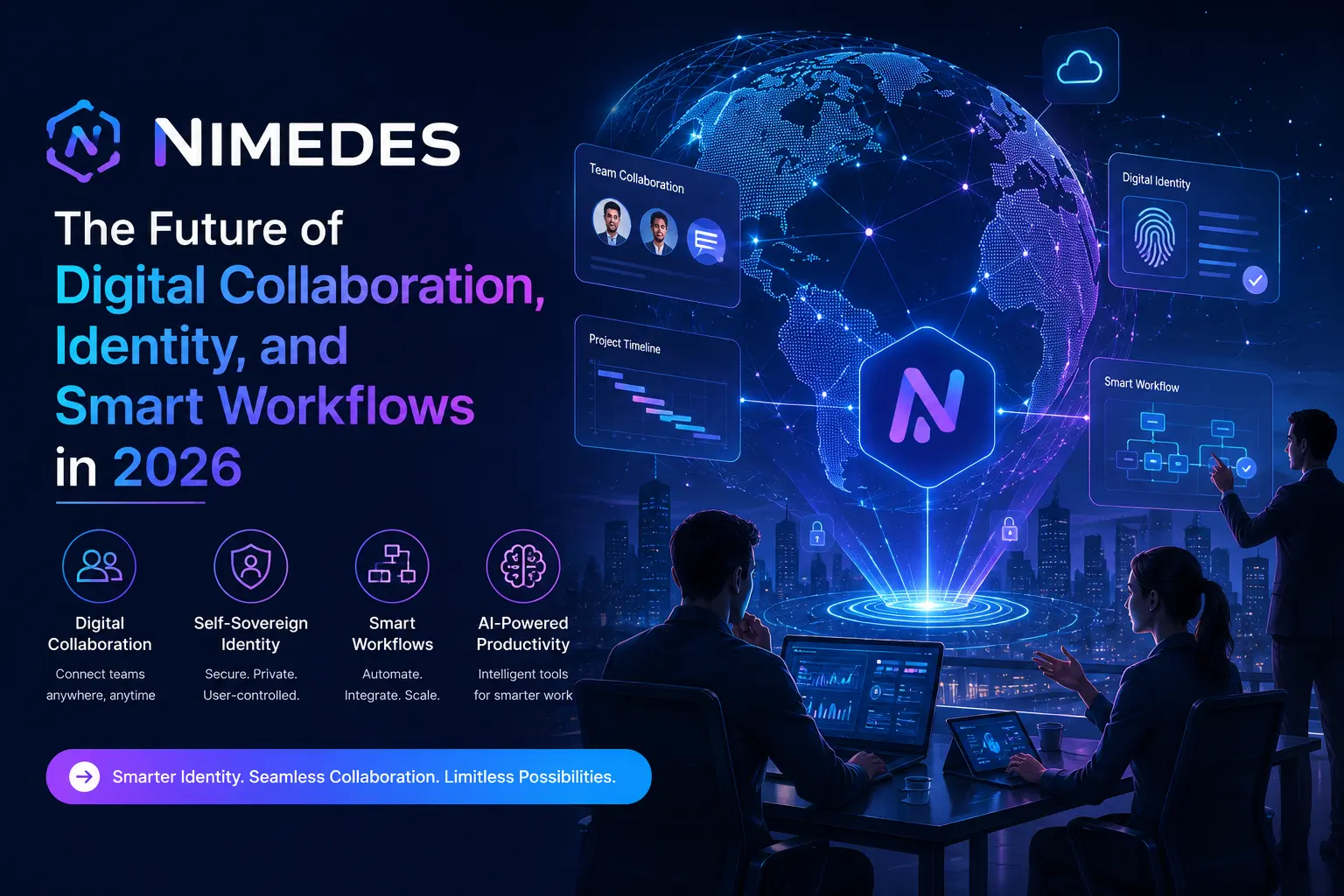
The modern workplace has changed dramatically over the past decade. Businesses now operate across multiple locations, teams collaborate remotely, and data flows through countless digital systems every day. As organizations search for more efficient ways to manage information, productivity, and security, new concepts continue to emerge. One of the latest terms gaining attention is Nimedes.
While still an evolving concept, Nimedes is increasingly associated with integrated digital workspaces, decentralized identity systems, workflow automation, and intelligent collaboration environments. Rather than focusing on a single software category, it represents a broader approach to managing digital operations in a connected world.
This article explores what Nimedes means, why it matters, its potential applications, and how it aligns with major technology trends shaping the future of business.
The Growing Need for Unified Digital Systems
Modern organizations rely on dozens of digital tools every day. Project management platforms, communication apps, cloud storage systems, customer relationship management software, analytics dashboards, and automation tools all play critical roles.
However, this growing software ecosystem creates challenges:
- Information silos
- Security risks
- Duplicate workflows
- Productivity loss
- Poor user experiences
Research from global workplace studies indicates that employees frequently switch between multiple applications throughout the workday, leading to reduced efficiency and increased cognitive overload.
Businesses increasingly seek unified environments where communication, data, automation, and collaboration can coexist. This demand has contributed to growing interest in concepts like Nimedes.
What Is Nimedes?
Nimedes is generally described as a modern digital framework that combines several key technology principles:
- Unified workspaces
- Digital collaboration
- Workflow automation
- Data governance
- Identity management
- Secure information sharing
Rather than functioning as a single feature, it represents an ecosystem where users, teams, data, and processes interact through a centralized yet flexible environment.
Many discussions around Nimedes highlight the importance of balancing productivity with security while maintaining adaptability for changing business requirements.
In practical terms, the concept focuses on helping organizations:
- Simplify digital operations
- Improve team collaboration
- Strengthen data protection
- Reduce software fragmentation
- Enhance operational visibility
Why Digital Transformation Makes Nimedes Relevant
According to industry research from IDC, global spending on digital transformation initiatives continues to exceed trillions of dollars annually as organizations modernize their operations.
Several major trends explain why integrated digital environments are becoming increasingly valuable:
1. Remote and Hybrid Work
Remote work has evolved from a temporary solution into a permanent business strategy for many organizations.
Teams now require:
- Real-time collaboration
- Secure file sharing
- Cross-device accessibility
- Cloud-based workflows
A unified framework helps reduce friction while maintaining productivity across distributed teams.
2. Data Explosion
The amount of data generated worldwide continues to grow at unprecedented rates.
Organizations must manage:
- Customer information
- Internal documents
- Analytics
- Operational records
- Compliance requirements
Efficient governance becomes essential for sustainable growth.
3. Rising Cybersecurity Concerns
Cybercrime costs are projected to reach trillions of dollars globally in the coming years.
Businesses need stronger systems for:
- Identity verification
- Access management
- Encryption
- Compliance monitoring
These priorities align closely with the principles commonly associated with Nimedes-style architectures.
Core Features Commonly Associated With Nimedes
Although implementations may vary, several recurring capabilities appear in discussions surrounding the concept.
Unified Workspace Environment
One of the primary objectives is reducing the complexity of managing multiple disconnected applications.
A unified workspace may include:
- Task management
- Team collaboration
- Documentation
- Communication tools
- Workflow tracking
This creates a single source of truth for operational activities.
Intelligent Workflow Automation
Automation continues to reshape business operations.
Potential workflow capabilities include:
- Task assignment
- Approval routing
- Notification systems
- Document processing
- Data synchronization
Automation helps organizations eliminate repetitive work while improving consistency.
Secure Identity Management
Identity has become one of the most important components of digital security.
Modern identity systems often support:
- Multi-factor authentication
- Role-based permissions
- Digital credentials
- Access auditing
Some descriptions of Nimedes emphasize decentralized identity approaches that provide users with greater control over their digital profiles.
Advanced Collaboration Tools
Effective collaboration remains essential for business success.
Integrated collaboration environments may include:
- Team messaging
- Shared workspaces
- Real-time editing
- Knowledge management
- Project tracking
These capabilities help teams stay aligned regardless of location.
Data Governance and Compliance
Organizations face increasing regulatory obligations regarding data privacy and security.
A modern digital framework often incorporates:
- Data classification
- Audit trails
- Retention policies
- Access controls
- Compliance monitoring
Strong governance supports both security and operational efficiency.
Real-World Industries That Could Benefit
The principles behind Nimedes are applicable across multiple sectors.
Healthcare
Healthcare organizations manage large volumes of sensitive information.
Potential benefits include:
- Secure patient records
- Controlled access management
- Improved collaboration among medical teams
- Enhanced compliance capabilities
Financial Services
Financial institutions require robust security and regulatory controls.
Integrated digital environments can support:
- Identity verification
- Risk management
- Document security
- Process automation
Education
Educational institutions increasingly rely on digital infrastructure.
Benefits may include:
- Centralized learning resources
- Improved collaboration
- Administrative automation
- Secure information management
Technology Companies
Software firms often operate within highly distributed environments.
Unified systems help streamline:
- Product development
- Team communication
- Documentation
- Knowledge sharing
How Nimedes Aligns With Emerging Technology Trends
Several major technology trends support the growing relevance of integrated digital ecosystems.
Artificial Intelligence
AI is transforming workplace productivity.
Common applications include:
- Content summarization
- Predictive analytics
- Workflow optimization
- Intelligent search
Future implementations may incorporate AI-driven decision support capabilities.
Decentralized Identity
Traditional username-password systems continue to face security challenges.
Decentralized identity models aim to:
- Improve privacy
- Reduce fraud
- Strengthen authentication
- Increase user control
This approach appears frequently in discussions related to Nimedes-inspired systems.
Data Mesh Architecture
Data mesh strategies emphasize distributed ownership and domain-driven governance.
Benefits include:
- Improved scalability
- Faster access to insights
- Better accountability
- Reduced bottlenecks
These concepts align closely with modern enterprise transformation goals.
Cloud-Native Infrastructure
Cloud adoption remains one of the strongest drivers of digital innovation.
Cloud-native environments provide:
- Flexibility
- Scalability
- Reliability
- Cost efficiency
Organizations increasingly seek solutions that operate seamlessly across cloud ecosystems.
Potential Advantages
Organizations exploring Nimedes-related frameworks may experience several benefits.
Increased Productivity
Reducing tool fragmentation allows employees to focus more on meaningful work.
Better Security
Integrated identity and governance controls can reduce vulnerabilities.
Improved User Experience
A streamlined digital environment reduces complexity and training requirements.
Greater Scalability
Modern architectures support business growth without requiring major infrastructure changes.
Enhanced Collaboration
Unified communication and workflow systems improve coordination across departments.
Challenges Organizations Should Consider
Despite the advantages, implementation is not without challenges.
Change Management
Employees may resist new systems and workflows.
Successful adoption requires:
- Training
- Leadership support
- Clear communication
Integration Complexity
Legacy systems can complicate migration efforts.
Organizations must evaluate:
- Existing infrastructure
- Data compatibility
- Operational dependencies
Security Planning
Even advanced platforms require proper security governance.
Best practices include:
- Regular audits
- Access reviews
- Employee education
- Incident response planning
The Future Outlook
The future of digital work increasingly revolves around integration, intelligence, and security.
Organizations no longer want isolated software products. They seek ecosystems that connect people, information, and processes in meaningful ways.
As technology continues evolving, concepts similar to Nimedes may play a growing role in:
- Enterprise productivity
- Digital identity
- Workflow automation
- Data governance
- Collaborative innovation
The exact form such systems take will vary, but the underlying goals remain consistent: simplify complexity, improve efficiency, and strengthen trust in digital environments.
Read More: Miuzo: The Emerging Digital Platform Shaping Modern Collaboration
Conclusion
Nimedes represents a growing vision for the future of digital operations. By combining collaboration, workflow automation, identity management, and data governance into a unified framework, it addresses many of the challenges organizations face in today’s increasingly connected world.
As businesses continue investing in digital transformation, the demand for integrated, secure, and scalable solutions will only increase. Whether viewed as a platform, framework, or strategic approach, the ideas associated with Nimedes reflect broader technology trends shaping the next generation of work.
Organizations that prioritize interoperability, security, and user-centric design will be better positioned to thrive in the digital economy. As a result, Nimedes is likely to remain an important topic of discussion among technology leaders, innovators, and forward-thinking businesses for years to come.
